You know, overall, the need for smarter, more efficient packaging solutions is really booming worldwide. One machine that's been gaining a lot of attention lately is the PP cotton bagging machine. It’s become pretty much essential for manufacturers across different industries. I read this recent report from Market Research Future, and apparently, the global market for these machines is expected to grow at a compound annual rate of about 5.8% from 2023 all the way through 2030. That definitely shows there's a big shift happening—more focus on sustainable packaging and eco-friendly stuff, you know?
PP cotton bagging machines play a crucial role in the packing industry. These machines are designed to efficiently package cotton in PP (polypropylene) bags, ensuring durability and protection during transport. According to a recent industry report, the global market for bagging machines is projected to reach $2.5 billion by 2025. This growth is driven by increasing demand from various sectors, including agriculture and textiles.
In the manufacturing process, precision is key. The ideal PP cotton bagging machine should be capable of handling different bag sizes and weights. Some machines offer automated features to enhance efficiency, reducing labor costs. In fact, a study indicates that automation can improve packaging speed by up to 30%. However, not all machines are created equal. Buyers need to consider factors like maintenance, spare parts availability, and energy efficiency when making their choice.
Machine operation is another area demanding attention. User training is essential to minimize errors. Improper handling can lead to considerable material waste. As the industry evolves, more buyers are reflecting on the long-term implications of their equipment choices. Balancing quality with cost can be challenging, yet it is vital for sustainable production practices.
When looking for the best PP cotton bagging machine, certain key features become crucial. Firstly, the machine's capacity is essential. A typical industrial bagging machine can handle between 5 to 50 bags per minute. This variability impacts production speed and meeting market demand. Advanced models often come equipped with customizable settings. This flexibility can cater to different bag sizes and weights, enhancing usability.
Another vital feature is accuracy. Reports suggest that today's machines achieve an accuracy rate of over 99.5%. This precision reduces waste and ensures that packages meet weight specifications. Additionally, durability is a factor that cannot be overlooked. Machines made with high-quality materials tend to have a longer lifespan, reducing the frequency of replacements. Investing in a reliable model can save costs long-term.
Technology integration plays a significant role as well. Many modern machines utilize smart technology for monitoring and adjustments. These features allow operators to track performance metrics in real-time. However, user training on these systems can be challenging. A manual that's not intuitive may hinder proper usage, leading to errors. Therefore, businesses should consider both features and ease of use when selecting the right bagging machine.
When considering the purchase of a PP cotton bagging machine, it is crucial to assess the top brands and manufacturers in the industry. Recent market analyses indicate that demand for these machines has risen by 10% annually, driven by advancements in textile packaging. Various companies are enhancing their technologies to improve efficiency and reduce waste during production.
The leading manufacturers focus on quality and innovation. They offer machines that cater to diverse packaging needs. Reliable data from industry reports reveal that machines with faster production speeds and lower energy consumption are becoming increasingly popular. By investing in top-tier machines, businesses can achieve a higher output while minimizing costs. However, some manufacturers still grapple with issues like maintenance and durability, which can lead to operational challenges.
It's vital for potential buyers to consider the reputation and expertise of the manufacturers. Established companies often provide comprehensive after-sales support. However, not all brands deliver the same level of service. Buyers should conduct thorough research and read customer reviews to avoid inferior products. This diligence can save significant headaches and costs over time.
When selecting a PP cotton bagging machine, understanding your specific needs is crucial. Different industries have varying requirements, which influences the choice of technology and machinery. For example, a textile factory might prioritize speed and efficiency, while a small craft business may focus on ease of use and maintenance. Each machine offers distinct features that cater to these diverse demands.
A comparative analysis reveals that some machines excel in bulk production but might be overkill for smaller operations. These powerful models often cost more and require additional space. On the other hand, simpler machines may lack certain advanced features. It's vital to assess the balance between performance and your business size. Users sometimes overlook the importance of support and service from manufacturers, which can affect long-term operations.
While many options exist, not all of them deliver consistent results. Some machines may struggle with certain fabric types, leading to production delays. Investing time in research can prevent mismatches between the machine and its intended purpose. Remember, the right choice should not solely depend on features but also on reliability and support. Reflecting on your specific needs and testing machines can guide you toward the most suitable option for your business.
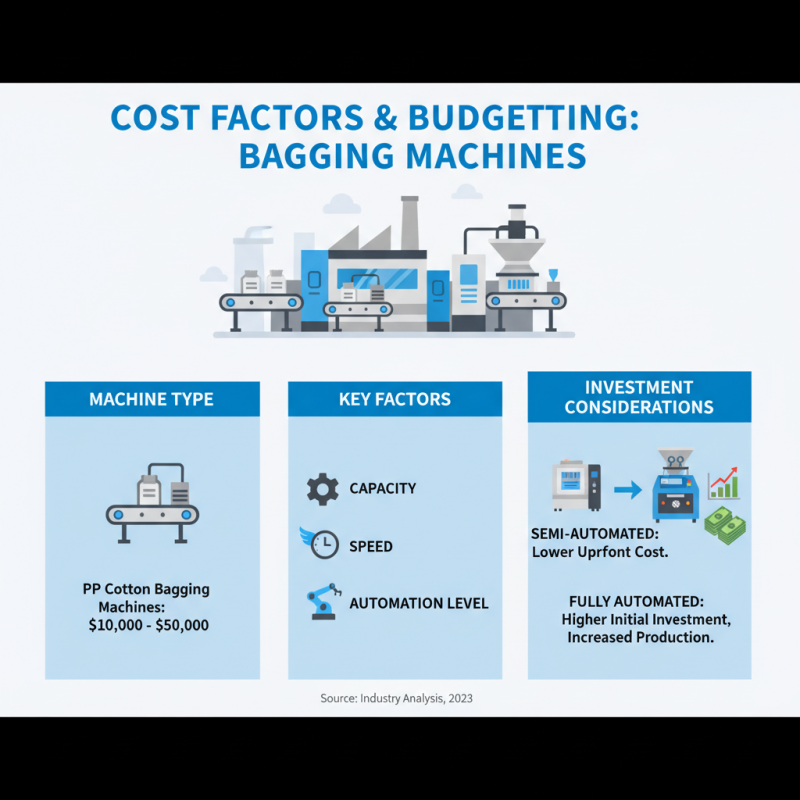
When considering the cost of pp cotton bagging machines, several factors come into play. These machines typically range from $10,000 to $50,000. The price varies based on capacity, speed, and automation level. A fully automated machine, for example, can significantly increase production but may require a higher upfront investment.
Maintenance costs should not be overlooked. Regular check-ups and spare parts can add an additional 5-15% to yearly operating costs. Industry reports show that neglecting maintenance leads to costly downtime, sometimes exceeding the initial investment in the machine itself. Buyers must weigh these ongoing costs when planning their budgets.
Energy consumption is another aspect to evaluate. High-efficiency models may be pricier but can save money long-term. The average energy cost for running a bagging machine is around $0.10 per hour. This means that over time, a more efficient machine could lead to substantial savings. It's essential to conduct a detailed cost-benefit analysis before making a decision.
Proper maintenance of PP cotton bagging machines is crucial for optimal performance. Regularly inspect all moving parts and check for wear and tear. Lubricate parts thoroughly to prevent friction issues. Clean the machine daily, as debris can hinder operation. Pay attention to the feeding mechanism, as blockages can occur if not monitored.
One often overlooked area is the calibration of the bagging system. Ensuring accuracy in weight and size settings helps avoid production errors. Operators should be trained to recognize signs of malfunction. Inconsistent sealing can lead to product waste. Replacement of faulty components should not be delayed, as this can escalate repair costs.
Documentation of maintenance schedules can prove beneficial. Regular checks can identify recurring problems. It may also be helpful to keep records of parts that require frequent replacements. Reflection on past issues can guide future practices. Investing time in these procedures ultimately enhances machine longevity.
The demand for polypropylene (PP) cotton bagging machines is rapidly increasing worldwide. As businesses focus on sustainability, PP bags are gaining popularity due to their durability and lightweight nature. This shift highlights the growing need for advanced technologies in bagging processes. Yet, some manufacturers still rely on outdated machines that don't meet current efficiency standards.
Emerging trends indicate that buyers seek machines with automation features. This includes programmable settings and improved safety measures. Automated systems reduce labor costs and enhance productivity. However, there is still room for improvement in machine design. Some existing models face challenges with consistency and speed in production. This inconsistency can lead to product wastage and dissatisfaction among clients.
The market demand for eco-friendly practices is clear. Companies embracing sustainable solutions are likely to thrive. Innovations in PP cotton bagging technology reflect this shift, but not all buyers can keep pace. Some are hesitant to invest due to high initial costs. They must evaluate the long-term benefits against upfront expenses. This balancing act can present difficulties for many global buyers seeking reliability and efficiency.
| Machine Type | Production Capacity (bags/hour) | Power Consumption (kW) | Weight (kg) | Market Demand (units/year) |
|---|---|---|---|---|
| Automatic | 1200 | 50 | 800 | 5000 |
| Semi-Automatic | 800 | 30 | 600 | 3000 |
| Manual | 400 | 10 | 400 | 1000 |
| High-Speed | 1500 | 70 | 950 | 6000 |
The textile industry is increasingly integrating automation to enhance efficiency and productivity. Automatic fiber opening and ball making machines with vertical bagging solutions represent a significant advancement in this trend. By streamlining the process of packing opened polyester staple fiber cotton into woven packaging bags, these machines not only improve operational efficiency but also contribute to better product quality and a safer working environment for machine operators.
One notable feature of these machines is their rational double-layer design, consisting of a square outer layer and a round inner layer, which extends the equipment's lifespan while ensuring effective performance. The built-in safety mechanisms, such as a safety door that remains locked during operation, are crucial in mitigating risks associated with machinery use. According to market research, the incorporation of such safety features has been linked to a reduction in workplace accidents, with reports indicating that automated solutions can decrease injury rates by up to 30% in manufacturing environments.
Additionally, the integration of noise reduction devices enhances the working environment, making it more comfortable for operators while adhering to strict noise regulations in the industry. The high degree of automation not only alleviates the labor-intensive burden on factories but also reduces the need for skilled operators, addressing the ongoing labor shortages faced in the textile sector. Reports estimate that automation in textile manufacturing can increase productivity by as much as 40%, demonstrating the tangible benefits of investing in automatic solutions for fiber handling and packaging.
: Bagging machines generally handle between 5 to 50 bags per minute.
Many modern machines achieve an accuracy rate of over 99.5%.
High-quality materials tend to result in longer-lasting machines, reducing replacements.
Smart technology allows real-time performance monitoring but requires user training.
Consider production speed and ease of use based on specific business requirements.
Prices typically range from $10,000 to $50,000, affecting budget decisions.
Maintenance can add 5-15% to yearly operating costs; neglecting it can lead to downtime.
High-efficiency machines may have higher upfront costs but save money over time.
Choosing a mismatched machine may result in production delays and inefficiency.
Testing helps confirm that the machine meets specific operational needs and reliability.
The article provides a comprehensive overview of the Pp Cotton Bagging Machine, highlighting its essential features and considerations for buyers globally. It discusses the key attributes to look for when selecting a bagging machine, catering to diverse operational requirements. Additionally, the article dives into the comparative analysis of different Pp Cotton Bagging Machines, addressing various needs and emphasizing the importance of budget planning for acquiring such equipment.
Moreover, readers are equipped with maintenance tips to ensure optimal performance of their bagging machines, which are crucial for efficiency and longevity. The article also explores global trends in Pp Cotton Bagging technology and market demand, shedding light on how advancements are shaping the industry. This informative guide aims to assist potential buyers in making informed decisions in the evolving landscape of cotton packaging solutions.